
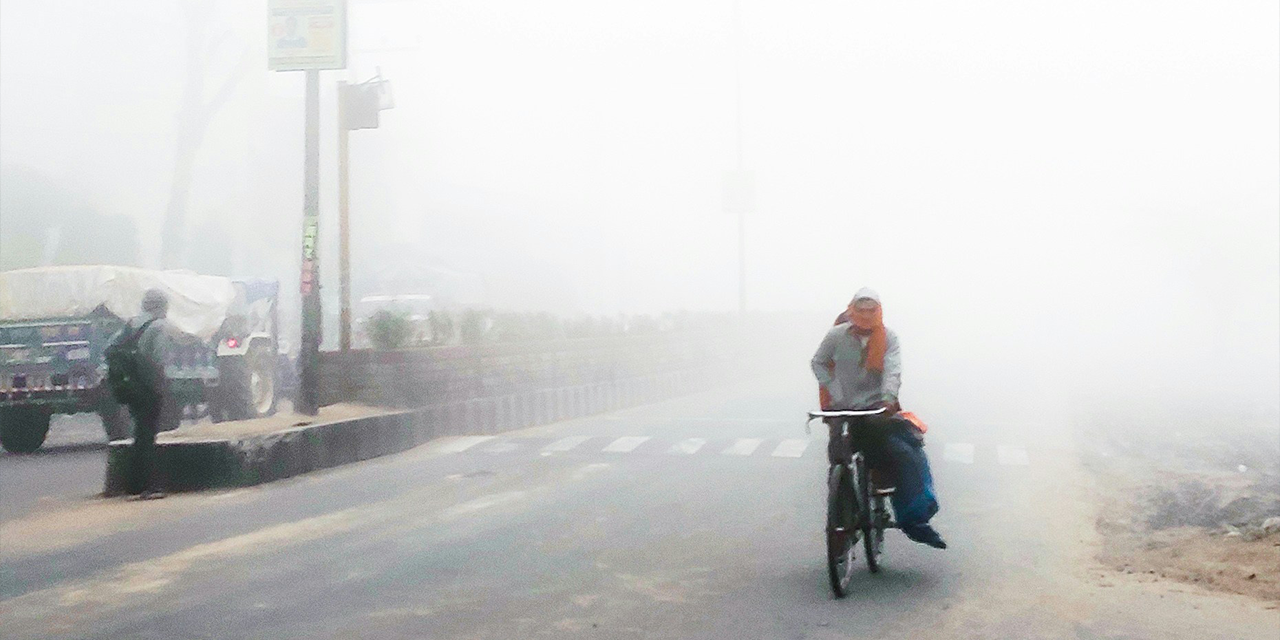
Every year, the morning after Diwali tells the same story — a skyline blurred into grey, the winter sun dimmed, and the city wrapped in a heaviness you can feel before you see it.
What should be the season of bright mornings becomes a season of closed windows and air purifier alerts.
And somewhere in this haze, a simple realization settles in:
Home doesn’t always feel as safe as it should.
When the Air Inside Isn’t Enough
Even the most sealed apartments can’t keep Delhi’s post-Diwali air out.
Families wake up to scratchy throats, tired eyes, restless nights. Children cough, elders struggle, and the celebration that brought so much joy suddenly feels overshadowed by unease.
For many households, this isn’t a one-off moment — it’s an annual reminder that the city demands resilience it was never meant to.
The Hidden Weight of City Living
And the truth is, the pollution doesn’t vanish when the last firecracker fades.
Winter after winter, Delhi’s air quality dips to global lows, and the stress of dense living — traffic, construction, noise, overstimulation — compounds the impact on wellbeing.
Indoor plants and purifiers offer temporary comfort, but not transformation.
A fundamental question emerges:
Is the environment supporting us, or wearing us down?
Where the Countryside Offers What Cities Can’t
Just an hour down the Delhi–Mumbai Expressway, the shift is tangible.
The air thins.
The sky clears.
The horizon returns.
In the countryside, mornings smell of dew instead of dust. Evenings carry quiet instead of honking. Nature becomes part of daily life, not a luxury filtered through a screen.
Choosing a healthier home isn’t about bigger rooms or better finishes —
it’s about cleaner air, calmer rhythms, and a landscape that gives back.
What a Truly Healthy Home Feels Like
Homes rooted in nature rest on three essentials:
1. Clean Air & Natural Buffers
Trees, gardens, open land, and low-density living create a micro-climate that cities simply can’t imitate.
2. Space That Breathes With You
Generous plots, verandahs, courtyards, and natural ventilation allow light and air to move freely through everyday life.
3. Sustainability Woven Into Design
Rainwater harvesting, native landscapes, and thoughtful infrastructure protect the land — and your health.
Where Rajvanam Fits Into This Shift
Rajvanam has been shaped with one simple intention:
to offer a countryside home where wellbeing is built into the environment, not added as an accessory.
Here, the landscape sets the tone.
Native trees, open greens, and considered spacing create air that feels lighter.
Architecture leans on verandahs, breezeways, and shaded transitions — celebrating the region’s climate, not fighting it.
Rajvanam isn’t an escape.
It’s a return — to clarity, to space, to a way of living that feels more human.
The Post-Diwali Haze Isn’t a Problem — It’s a Signal
Every winter, the smog acts like an annual audit of how fragile city living can be.
For many families, it becomes the turning point that asks:
Do we keep managing the symptoms, or step toward a different kind of life?
A countryside estate isn’t just a lifestyle upgrade.
It’s a health upgrade — for your family today and your legacy tomorrow.
Space to Breathe, Now and for Years Ahead
The air you breathe shapes everything — your energy, your mood, your long-term wellness.
Choosing a home surrounded by nature is no longer indulgent.
It’s intentional.
At Rajvanam, life slows down just enough for you to live deeper — in a place where the sky stays clear, the greenery stays honest, and the air feels like something you can trust.
Take the First Step Toward Clarity
If this year’s haze made you rethink what “home” should feel like, maybe it’s time to explore a countryside estate built for your wellbeing.
At Rajvanam, clean air isn’t a luxury.
It’s the foundation.
And it’s waiting for you.